Employment Appeal Tribunal Overturns Automatic Dismissal in Disability Discrimination Case
The Employment Appeal Tribunal has set aside an unless order, ruling that the original tribunal failed to properly assess the proportionality of automatic dismissal.
• public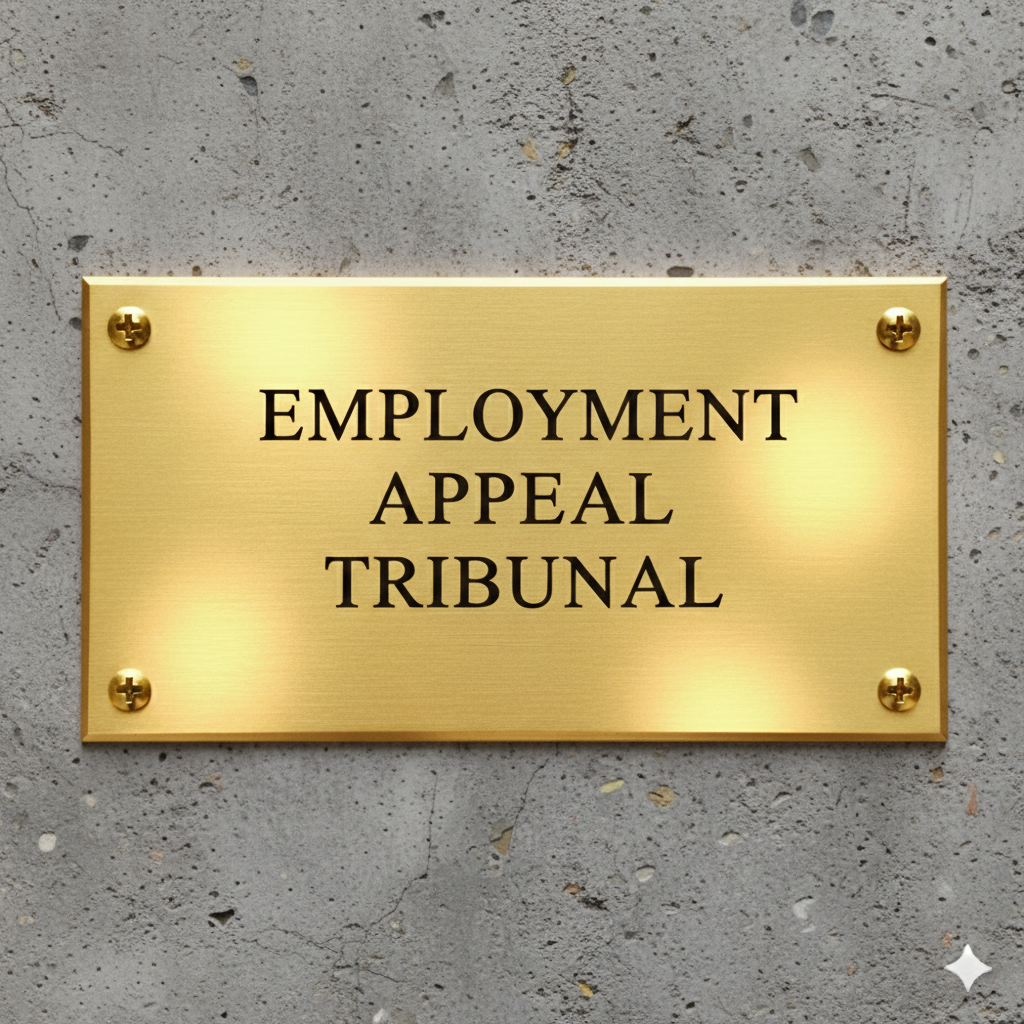
Tribunal Fails to Apply Proportionality Test
The Employment Appeal Tribunal (EAT) has overturned a decision to dismiss a claimant's discrimination case after ruling that the lower tribunal failed to adequately consider the proportionality of its "unless order."
In the case of Chowdhury v Secretary of State for Health and Social Care, the appellant, Miss Z Chowdhury, had seen her claims dismissed after failing to provide specific medical evidence required by the tribunal to facilitate the resumption of a part-heard hearing. The tribunal had initially ordered the claimant to provide details regarding her fitness to participate, potential adjustments, and an estimated date for her return.
"Draconian" Sanctions Require Careful Assessment
Deputy Judge of the High Court, Marcus Pilgerstorfer KC, emphasised that unless orders are among the most powerful tools in a tribunal's procedural armoury. He described them as a "sword of Damocles" that should not be used lightly.
The EAT found that while the lower tribunal had legitimate concerns regarding delay and the need for medical evidence, it failed to perform the necessary legal assessment to determine if automatic dismissal of the entire claim was a proportionate consequence of a future breach. The judge noted that the tribunal did not consider whether less drastic measures, such as an order limiting the claimant's ability to seek further adjournments, might have achieved the same result.
Case Remitted for Resumption
Consequently, the EAT set aside both the unless order and the subsequent notice of dismissal. The case has been remitted to the same tribunal that presided over the initial hearing, with the court expressing a preference for the same panel to resume the matter to save costs and resources.
The EAT also issued new directions for the parties to submit any availability issues and medical evidence by 16 October 2026. The judge warned that once the case is relisted, there will be a strong expectation that the hearing proceeds, and any future applications for postponement will be scrutinised closely.
Read the entire judgment here: Chowdhury v Secretary of State for Health and Social Care [2026] EAT 151