Tribunal Dismisses Race Discrimination and Victimisation Claims Against Cabinet Office
A former Cabinet Office employee's claims of race discrimination and victimisation have been dismissed by an employment tribunal, marking the end of a six-year legal battle.
• public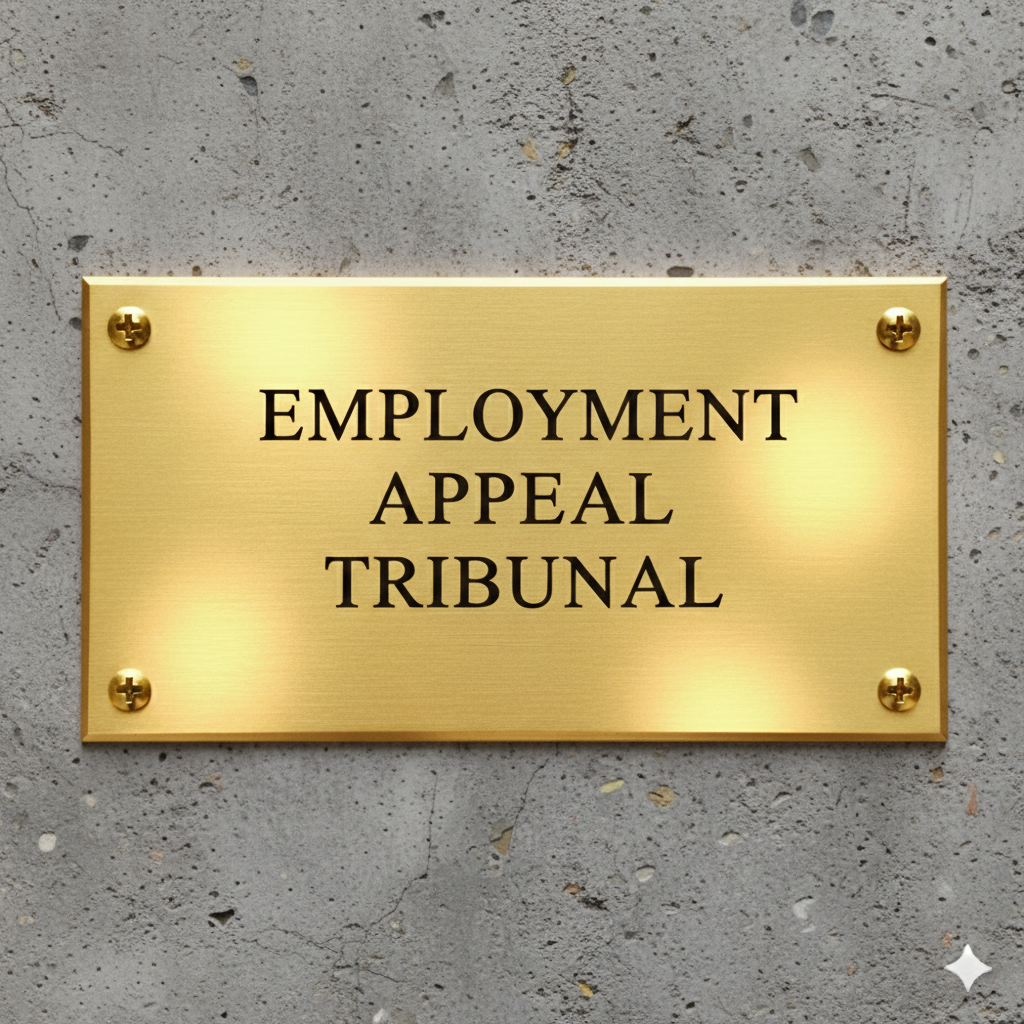
Cabinet Office Wins Employment Tribunal Case
The Cabinet Office has successfully defended itself against claims of race discrimination and victimisation brought by a former employee, Mr. K Khan. The Employment Appeal Tribunal (EAT) upheld an earlier decision to dismiss Mr Khan's claims, bringing an end to a protracted legal battle that has spanned nearly six years.
Background of the Case
Mr Khan's employment with the Cabinet Office was brief, lasting only three days before he was suspended for using a personal USB stick to download official material, a breach of security protocols. He was subsequently dismissed, and his appeal was unsuccessful. He then pursued claims of discrimination and victimisation, which were initially rejected by an employment tribunal.
Mr Khan attempted to revive the case through the public correspondence unit, reiterating previously addressed points. A dispute over the USB stick, initially believed lost but later offered as a replacement (which Mr Khan refused), also became a point of contention.
Tribunal's Findings
A second employment tribunal dismissed the claims, citing they were either out of time or barred by the Henderson v Henderson principle (which prevents relitigation of issues that could have been decided in earlier proceedings). The EAT agreed that the employment judge was entitled to find the allegations were made too late. It also agreed that the judge’s rejection of the claims was sound and contained no legal errors.
His Honour Judge Barklem presided over the EAT hearing, which reviewed grounds of appeal permitted by Mr Bruce Carr KC. These grounds related to abuse of process, misunderstanding of identity in relation to the USB allegation, and misrepresentation of the victimisation claim.
Key Issues and Allegations
The tribunal addressed several key issues, including:
- Allegations of false reports made against Mr Khan to SO15 (a specialist counter-terrorism unit).
- Concerns over a briefing note summarising actions taken following security concerns raised during Mr Khan’s disciplinary investigation.
- The non-return of the USB stick, which Mr Khan claimed was an act of victimisation.
The USB Stick Incident
The tribunal examined the USB stick incident in detail. It found that Mr Khan had connected a USB to his laptop with the intention of taking a headcount document home. The Cabinet Office has a policy prohibiting the use of non-encrypted storage devices.
The tribunal found that it was reasonable for the original dismissing manager, Miss Eshelby, to conclude that Mr Khan proceeded with attempting to download a sensitive document onto a USB stick after being advised it was probably inappropriate and that he should seek permission before doing so.
Time Limitations and Abuse of Process
The tribunal also found that the discrimination claims were made outside the permitted time limits. Judge Burns struck out the claims on this basis, as well as on the basis of abuse of process, due to the Henderson v Henderson principle.
Conclusion
Ultimately, the EAT upheld the decision to dismiss Mr Khan’s appeal. Judge Barklem concluded that Judge Burns had reached reasonable conclusions in accordance with the correct legal principles. The appeal was therefore dismissed.
Read the entire judgement here: Mr K Khan v The Cabinet Office [2025] EAT 163