"Without Prejudice" Is Not A Magic Shield:: A Practical 2025 UK Law Guide
Think adding "Without Prejudice" to an email makes it secret? Think again. We explain the strict legal tests you must meet and why misuse could cost you thousands in court.
• public
How To Use It Without Wrecking Your Case
Have you ever wondered why some people glide through disputes while others watch a single email wreck months of work? Have you asked yourself how a small phrase like “Without Prejudice” can protect a hard‑won settlement or, if misused, cost thousands of pounds? Or worried that one clumsy message might end up in front of a judge and tip the case against you?
“Without Prejudice” appears to be a small label, yet it carries significant weight in UK law. It shapes how you negotiate, what you can say safely, and what the judge is allowed to see. It appears in employment disputes, commercial fall‑outs, neighbour rows, and family money arguments. At the same time, it is one of the most misunderstood phrases in practice, especially now that emails, texts, WhatsApp and video calls sit alongside formal letters.
Many people assume the label is a magic shield. They put “Without Prejudice” on every message and think nothing can ever reach a tribunal or court. Others never use it and discover too late that a generous offer or careless admission is now part of the evidence. Misjudging this rule can weaken your position, wreck your bargaining power, or even waive protection completely.
This guide explains what “Without Prejudice” really means in UK law in 2025: when it applies, when it fails, and how to use it correctly in emails, meetings, and negotiations. It also demonstrates how secure tools like Litigated’s TFC messaging system help you maintain those conversations in private. Whether you are a solicitor, HR professional, business owner, or an individual dealing with a dispute, you will find clear, practical steps you can start using straight away.
As Lord Griffiths observed in Rush & Tompkins v GLC, parties must be able to negotiate “without fear that what they say may be used against them” if talks break down.
What Does "Without Prejudice" Actually Mean? The Core Legal Principle Explained

When you mark a communication “Without Prejudice” you are claiming a type of legal privilege. In plain English, it means:
- The communication is part of settlement talks, and
- If the legal tests are met, it is off‑limits as evidence in court or tribunal hearings.
The judge deciding your case must not see those discussions or hear about the offers made during them.
The main purpose is to create a safe negotiation space. You can:
- Test ideas
- Make concessions
- Talk numbers
without worrying that the other side will later wave those words at a judge as proof that you think your case is weak. For example, if you offer £10,000 in a Without Prejudice letter to settle a claim, that offer cannot later be used to argue that you accept you owe at least £10,000.
This rule comes from case law, not statute, with comprehensive guidance available on understanding 'Without Prejudice' in workplace disputes that clarifies its practical application. A key decision is Rush & Tompkins Ltd v Greater London Council, where the House of Lords held that privilege protects the whole negotiation, not just obvious admissions. Courts defend this rule strongly because it encourages parties to settle without a full trial.
One vital point: the privilege is joint. Both sides own it together. Neither party can unilaterally decide to put those communications before the court. If one side wants to rely on a Without Prejudice letter and the other refuses consent, the judge will normally exclude it unless an exception applies.
Also, the label and the substance are different things, a distinction that legal authorities consistently emphasise when explaining what 'Without Prejudice' actually means in practice:
- Writing “Without Prejudice” at the top does not automatically make a message privileged.
- Even without the label, a communication might still be privileged if it is genuinely part of settlement talks.
Courts examine the actual content of the communication, not just the heading.
The Two Essential Conditions: When Does "Without Prejudice" Protection Actually Apply?
Not every tense email or angry call between disputing parties is protected. For Without Prejudice privilege to bite, two tests must be met:
- There must be an existing dispute.
- The communication must be a genuine attempt to settle that dispute.
Courts use an objective test: what would a reasonable observer think the purpose of the communication was?
Understanding What Constitutes an "Existing Dispute"
A dispute is more than a grumble. It means there is a clear disagreement and a real possibility of legal action if it is not resolved. The disagreement has “crystallised” into something serious.
You can usually spot an existing dispute when:
- One side has set out a claim (e.g. letter of claim, formal grievance, solicitor’s letter, detailed email alleging breach), and
- The other side has rejected it or threatened legal steps.
Examples:
- Employment:
- NOT a dispute: mild performance feedback, informal chats about workload.
- Likely a dispute: a formal grievance alleging discrimination; an email saying “I will bring an Employment Tribunal claim if this is not resolved.”
- Commercial:
- Not enough on its own: querying an invoice.
- Likely a dispute: refusing to pay because of alleged poor work and hinting at court action.
If you use the Without Prejudice label before a dispute exists, the protection may fail and the communication may be open to the court. Before you hit send, ask yourself: Would the other side reasonably think litigation might follow if talks break down?
What Counts as a "Genuine Attempt to Settle"
The second condition is that the communication must be a genuine attempt to settle. It should move the parties towards resolution rather than just repeat fixed positions or trade insults.
A genuine settlement attempt might:
- Offer a specific sum
- Propose instalments or staged payments
- Suggest non‑financial terms (e.g. reference, repairs, apology, new timetable)
- Invite the other side to suggest their own figure or terms
You can:
- Deny liability clearly, and still
- Make an offer “for commercial reasons” to avoid cost and stress.
By contrast, a letter that only threatens, attacks, or restates your full claim without any hint of compromise is not a settlement attempt. Even if you write “Without Prejudice” at the top, the court will probably treat it as open correspondence.
Courts look at the main purpose of the communication:
- If the heart of the message is “let’s find a compromise”, privilege is likely to apply.
- If the heart of the message is “we’re right and you’re wrong”, it probably will not.
Using the label to try to hide aggressive open letters is poor practice and may backfire.
How to Correctly Use "Without Prejudice" in Your Communications: Practical Guidance
Once you know when the rule applies, you need to use it properly in real‑world communications. Clear labelling and careful structuring:
- Reduce arguments about whether a message is protected, and
- Help you keep open and Without Prejudice channels separate.
You can use the rule in letters, emails, instant messages, phone calls and video meetings. The key is to make your intention obvious, then keep the content aligned with the settlement.
Marking Different Types of Communications
Letters
- Put “Without Prejudice” as the first line, in bold or capitals, before any greeting.
- If it is a costs‑focused offer, use “Without Prejudice Save as to Costs” instead or as well.
Emails
- Include “Without Prejudice” in the subject line and at the top of the body.
- If you are replying in a WP thread, keep the label in each reply.
Texts and Messaging Apps
- At the start of any settlement exchange, say clearly that it is “Without Prejudice”.
- Because these platforms feel casual, keep them for simple points (e.g. “can we talk at 3pm?”) and follow up key offers in a formal letter or email.
Oral Communications
- At the start of a meeting or call, say the discussion is “Without Prejudice” and aimed at settlement.
- Afterwards, send a short WP email summarising what was said. That note can avoid later arguments about whether the chat was privileged.
Common Scenarios Where WP Should Be Used
Typical settings where WP discussions are sensible include:
- Employment disputes:
- Exit packages and settlement agreements
- Discrimination or whistleblowing complaints
- Disputes over redundancy or performance processes
- Commercial disputes:
- Defective goods or poor service
- Unpaid invoices or disputed fees
- Shareholder or partnership fall‑outs
- Other disputes:
- Debt recovery negotiations
- Neighbour and property disputes (boundaries, repairs)
- Personal injury compensation talks
- Professional negligence claims
Whether the amount at stake is a few hundred pounds or millions, the principle is the same: once there is a dispute and both sides are genuinely trying to settle, you should think carefully about using Without Prejudice.
What "Without Prejudice" Protects (And What It Doesn't): Understanding the Scope
The WP rule offers broad protection, but not a blanket ban on everything said during negotiations. It normally protects:
- Admissions and concessions
- Offers and counter‑offers
- The “give‑and‑take” of settlement discussions
So, if during WP talks you admit there were delays on your side, that admission cannot simply be pulled out and used as a free win for the other party. Courts try to prevent “cherry‑picking” from a negotiation chain.
Once the WP umbrella is raised over a specific dispute, later messages that genuinely continue the same settlement discussion are usually covered, even if someone forgets the label once or twice.
However, not every line is protected. Purely factual statements can sometimes be separated and treated as admissible.
The Critical Exception: Purely Factual Statements
A common misunderstanding is that putting “Without Prejudice” on a letter wraps every word in secrecy. In reality, courts may separate out purely factual statements that sit apart from the settlement purpose.
Example:
- A company sends a WP letter offering a reduced price to settle a dispute about faulty equipment, and
- In the same letter, it states that its engineer serviced the machine on a particular date.
A judge might decide that the servicing date is a freestanding fact that can be used as evidence, even though it appears in a WP letter.
The key question is:
- Is the factual statement integral to the offer and the negotiation, or
- Can it be lifted out without disturbing the settlement context?
To reduce risk:
- Avoid unnecessary factual admissions in WP correspondence.
- Where you must mention facts, link them to the offer (e.g. “on the basis that X, we are prepared to pay £Y to avoid further costs”).
Duration and Permanence of the Privilege
Once a communication is genuinely privileged:
- The protection does not fade with time.
- It does not end just because negotiations fail or years pass.
- It usually carries over into later proceedings about the same subject between the same parties.
One major exception: if negotiations succeed and you reach a binding settlement, WP communications can be used to prove that a contract exists and what its terms are if that is later disputed. The rule is there to protect the process of negotiation, not to hide concluded deals.
"Without Prejudice Save as to Costs" (WPSATC): The Tactical Variation You Need to Understand
Sometimes you want the comfort of WP during the trial and want the judge to know you made a fair offer if the other side drags the case on unreasonably. That is where “Without Prejudice Save as to Costs” (WPSATC) comes in.
A WPSATC offer:
- Is hidden from the judge who decides liability and quantum, but
- Can be shown later when the court decides who pays legal costs.
This type of offer is often referred to as a Calderbank offer. Used well, it puts real financial pressure on a party who refuses sensible terms and then fails to do better at trial.
How WPSATC Creates Cost Pressure in Litigation
Under the usual rule in UK civil litigation, the loser pays a large share of the winner’s costs. But judges have discretion, and WPSATC offers are one of the tools they use when exercising it.
Imagine:
- You claim £50,000.
- The defendant sends a WPSATC letter offering £20,000.
- You reject it and go to trial.
- The court awards you £15,000.
At the costs stage, the defendant shows the WPSATC letter. The judge can see the defendant was willing to pay more than you obtained at trial. The court may then:
- Order the defendant to pay your costs only up to a certain date, and
- Order you to pay the defendant’s costs from the expiry of the offer onwards.
You “win” the case, but lose badly on costs.
Judges look at:
- How reasonable the offer was at the time
- How clearly it was expressed
- How long the other side had to consider it
The more realistic and balanced the offer appears, the more weight it is likely to carry.
When to Use WPSATC vs. Standard Without Prejudice
Use standard WP offers when you want:
- Flexible, exploratory discussions
- To keep all offers hidden, even at the costs stage
Use WPSATC when:
- Proceedings are under way or clearly on the horizon
- You have enough evidence to value the case sensibly
- You want clear potential costs consequences if the offer is not accepted
You cannot turn a standard WP offer into WPSATC retrospectively. The label must be clear from the start so both sides know the possible impact.
Because timing and wording can heavily influence the costs outcome, it is wise to seek legal advice before sending any important WPSATC offer.
The Seven Key Exceptions: When "Without Prejudice" Protection Fails
Courts defend WP privilege strongly, but they do not let it hide injustice. Over time, judges have recognised a small set of exceptions where they will look behind the label. These are rare, but you need to know about them.
Each exception balances two aims, reflecting different types of prejudice that the legal system must address:
- Encouraging frank settlement talks, and
- Preventing serious wrongdoing or unfairness.
Exception 1: Proving a Settlement Agreement Was Reached
If you later argue about whether you actually reached a settlement agreement, or what its terms were, the court may look at WP emails or letters to decide:
- Was there a clear offer?
- Was there a clear acceptance?
- Were the key terms certain?
You cannot hide behind WP to escape a deal that you plainly agreed during negotiations.
Exception 2: Evidence of Misrepresentation, Fraud, or Undue Influence
WP privilege does not create a safe zone for lying or bullying. If one party claims they were induced to settle by:
- False statements about key facts, or
- Improper pressure or threats,
the court can review the WP communications to decide whether the agreement should stand.
Exception 3: Explaining Delay in Proceedings
If a case has moved slowly and one party asks the court to strike it out for lack of progress, the other side may refer to WP material to explain delay, for example by showing there were active settlement talks.
This exception is narrow. The court is interested in timing, not in using the content to decide liability.
Exception 4: Unambiguous Impropriety – The High Threshold Exception
Unambiguous impropriety covers the clearest abuses of WP protection, which research on bias and improper conduct helps contextualize in modern communication settings, such as:
- Blackmail (e.g. “Pay us or we will make false criminal allegations”)
- Threats of violence
- Clear admissions of perjury
- Overt discriminatory remarks in an employment meeting
In Unilever plc v The Procter & Gamble Co the Court of Appeal stressed that this exception has a high bar, recognizing that measuring and addressing prejudice requires careful calibration to avoid undermining legitimate negotiation. Hard bargaining, strong language, and some exaggeration are not enough. Only conduct that is plainly improper and easy to identify as such will strip away privilege.
If you think the other side is crossing this line, stay calm, keep clear records, and seek legal advice promptly.
Exception 5: Estoppel – When One Party Relies on a Statement
Estoppel stops a person going back on a clear promise where someone else has relied on it and suffered loss. Even in a WP setting, if:
- You give a clear assurance, and
- The other side reasonably relies on it to their detriment,
a court may admit that statement so it can enforce the promise.
Example: if a landlord writes in a WP letter that they will not enforce a break clause, and the tenant invests heavily in improvements on that basis, the landlord may be prevented from changing position later.
Exceptions 6 & 7: Use in Later WP Negotiations and Perjury or Blackmail
Two further, narrow exceptions are worth noting:
- Oceanbulk “interpretation” exception:
In Oceanbulk Shipping & Trading SA v TMT Asia Ltd, the Supreme Court held that, in limited circumstances, facts expressly agreed during WP talks can be used later to help interpret a final written settlement. - Crime and serious misconduct:
Evidence of perjury or blackmail contained in WP communications can be admitted. Privilege is not a shield for crime.
"Without Prejudice" in Employment Disputes: Special Considerations for 2025

Employment disputes are a major area for WP use. They often involve strong emotions, reputations, and power imbalances. Many employees start negotiations without legal representation, so clarity matters.
WP discussions usually sit alongside formal HR processes such as grievances, disciplinaries and performance reviews. Confusing the two can create real risk.
Settlement Agreements: The Role of Without Prejudice
A settlement agreement is a written contract where an employee gives up certain Employment Tribunal claims in exchange for money or other benefits. Before reaching that point, parties often have rounds of WP talks about:
- Payments (gross and net, and any tax treatment)
- The wording of a reference
- Announcements to colleagues or clients
- Confidentiality and non‑disparagement terms
- Return of property and handover
Because bargaining is WP:
- An employer’s offer does not count as an admission that dismissal was unfair.
- An employee’s willingness to accept a lower sum does not mean their case is weak.
Formal grievance or disciplinary meetings are usually open, not WP. Notes from those meetings can be used in a tribunal. If you want to run WP settlement talks in parallel:
- Keep them clearly separate.
- Say explicitly when a meeting or call is WP.
Once agreement is reached, it should be recorded in a clear settlement agreement. For that to be valid, the employee must receive independent legal advice (usually from a solicitor or accredited adviser). Litigated’s guides can help both sides understand the legal frame before they reach that stage.
Protected Conversations vs. Without Prejudice: Critical Distinctions
Section 111A of the Employment Rights Act 1996 introduced the idea of a protected conversation. Many people confuse this with WP, but they are different tools.
Key differences:
- Dispute requirement
- WP: needs an existing dispute.
- Protected conversation: no dispute needed.
- Scope of claims covered
- WP: can cover unfair dismissal, discrimination, whistleblowing and more (if tests are met).
- Protected conversation: helps only with ordinary unfair dismissal claims.
Here is a quick comparison:
Feature | Without Prejudice | Protected Conversation (s.111A ERA 1996) |
|---|---|---|
Existing dispute needed | Yes | No |
Covers unfair dismissal claims | Yes | Yes |
Covers discrimination claims | Yes | No |
Covers whistleblowing claims | Yes | No |
Lost if behaviour is improper | Yes (unambiguous impropriety) | Yes (improper behaviour) |
In practice:
- If there is already a dispute, relying on the broader WP rule is usually safer.
- If there is no dispute, but you wish to explore an agreed exit, a protected conversation may still help – but only for ordinary unfair dismissal.
Many advisers use dual labelling, for example:
“Without Prejudice and subject to section 111A ERA 1996” to catch both routes.
In every case you must avoid improper behaviour (bullying, discrimination, heavy‑handed pressure), which can strip away both WP and protected conversation protection.
2025 Employment Scenarios: Practical Applications
Modern working patterns create new types of employment dispute where WP is useful:
- Redundancy exercises:
Employees may challenge scoring or selection. WP talks can help agree enhanced redundancy packages rather than litigating. - Performance management:
Before a long capability process, both sides may prefer a dignified agreed exit discussed on a WP basis. - Bullying, harassment, and flexible working grievances:
Formal processes run openly, but parallel WP discussions can explore settlement figures and references. - Hybrid and remote working:
Disputes over return‑to‑office policies, health concerns, or location can be explored under WP, allowing more creative proposals without giving tribunals ready‑made quotes.
Many experienced mediators say that “a good settlement is one both sides can just about live with.” WP rules create the privacy needed to reach that point.
Waiving "Without Prejudice" Privilege: How Protection Can Be Lost
WP privilege is powerful, but it can be waived. Once waived, communications that were private can be put before the court.
The real danger is careless waiver, for example:
- Referring to WP offers in open documents
- Forwarding WP emails too widely
- Mixing open and WP material in one letter
Express vs. Implied Waiver: Understanding the Difference
Express waiver
- Both parties agree – usually through their lawyers – that certain WP material can be used in court (for example, to clarify a factual confusion).
Implied waiver
- Happens unintentionally when one side refers to the content of WP negotiations in open pleadings, correspondence, or witness statements.
- Example: “During our Without Prejudice meeting, the defendant admitted they were at fault.”
Courts dislike one‑sided “cherry‑picking”. If you reveal WP material that helps you, the judge may decide privilege has been waived over the whole negotiation chain so the full picture can be seen.
The Joint Nature of Privilege: Why You Can't Unilaterally Waive
WP privilege is jointly owned. You cannot unilaterally decide to waive it. If you want to rely on a WP letter in court, you need the other side’s consent unless an exception applies.
This joint nature prevents:
- Claimants from using a defendant’s earlier high offers as proof of liability.
- Defendants from using a claimant’s earlier low requests as proof that their claim is modest.
However, if one party effectively waives privilege by disclosing content in open documents, the consequences can affect both sides because the court must deal with the communications as a whole.
Practical Steps to Avoid Accidental Waiver
To reduce the risk of accidental waiver:
- Separate channels clearly
- Use distinct folders for WP and open correspondence.
- Keep headings consistent.
- Draft carefully
- In open letters or pleadings, avoid quoting from WP discussions.
- If you must refer to them, keep it neutral (e.g. “settlement discussions have taken place”).
- Check witness statements
- Ensure they do not stray into WP content.
- If in doubt, pause and seek legal advice.
- Train your team
- Make sure everyone involved understands what WP means and how quickly it can be lost.
Comparing "Without Prejudice" with Other Communication Labels
Legal and business language is full of labels – “off the record”, “confidential”, “subject to contract”. None of these is a straight substitute for “Without Prejudice”.
Knowing the differences helps you avoid nasty surprises about what can, and cannot, be shown to a judge.
"Without Prejudice" vs. "Off the Record"
“Off the record” is not a recognised legal concept in English law. It is a loose, journalistic phrase meaning “please don’t quote me”.
Saying something is “off the record”:
- Does not prevent it being ordered into court as evidence.
- Does not create any privilege by itself.
If you want legal protection during negotiations, avoid relying on this fuzzy phrase. Use clear wording instead, such as:
“This is a Without Prejudice discussion aimed at resolving the dispute.”
"Without Prejudice" vs. "Confidential"
Confidentiality and privilege are related but separate:
- Confidential: information should not be shared with third parties.
- Privileged: information cannot be forced into court as evidence against the party who holds the privilege.
A document can be confidential without being privileged (e.g. most internal HR reports). By contrast, genuine WP negotiations are usually both confidential and privileged.
You may see letters headed:
“Without Prejudice and Confidential”
This indicates the sender wants both:
- Legal privilege (to keep it out of proceedings), and
- Contractual or ethical obligations not to share it more widely.
"Without Prejudice" vs. "Subject to Contract"
“Subject to contract” is a warning that the parties are still negotiating and do not intend to be legally bound yet. It is standard in property deals, commercial contracts and settlement discussions.
It serves a different purpose from WP:
- “Without Prejudice” asks: Can the judge see this?
- “Subject to contract” asks: Are we already bound by what was said?
Lawyers often combine them:
“Without Prejudice and Subject to Contract”
This means:
- The content is intended to be privileged if talks fail, and
- No binding settlement arises until a final written agreement is signed.
This dual label is especially useful in employment settlement agreements and complex commercial disputes.
Drafting Effective "Without Prejudice" Communications: A Practical Template Approach

A strong case can be damaged by a poorly drafted WP letter. Clear, calm drafting:
- Reduces misunderstandings
- Shows you acted reasonably
- Makes it easier for the other side to respond constructively
You do not need grand language. You need structure, simplicity, and a measured tone.
Essential Elements Every WP Communication Should Include
Most effective WP letters follow a similar pattern:
- Clear heading
- “WITHOUT PREJUDICE” or
- “WITHOUT PREJUDICE SAVE AS TO COSTS” (if appropriate)
- Purpose statement
- Briefly say you are writing to try to resolve the dispute without further proceedings.
- Non‑admission clause
- Make clear the offer is made without admission of liability.
- Identify the dispute
- Short description (e.g. “your claim for unpaid commission under the agreement dated…”).
- Include claim or case reference numbers if relevant.
- Set out the offer clearly
- The amount you propose to pay or accept.
- Whether it includes interest and/or costs.
- How and when payment will be made.
- Scope of settlement
- Specify which claims are covered (e.g. “all claims arising out of your employment and its termination”).
- Conditions and extras
- Confidentiality, references, return of property, agreed announcements, etc.
- State if the offer is subject to contract.
- Time limit for acceptance
- A clear date and time when the offer will expire.
- Next steps
- How to accept (e.g. by signing an attached agreement or confirming in writing).
- Who to contact with queries.
Critical Mistakes to Avoid in WP Correspondence
Try to avoid:
- Vague offers
- Phrases like “a fair sum” create argument and weaken any later costs argument.
- Unnecessary factual admissions
- Stick to the essentials needed to frame your proposal.
- Aggressive or threatening tone
- Besides the risk of stepping towards unambiguous impropriety, it rarely helps settlement.
- Mixing open and WP content in one letter
- If you need to send both, use two separate documents.
- Copying in large groups
- Wide circulation increases the risk of leaks and accidental waiver.
Tip: Before sending any major WP letter, read it as if you were the judge and the other side. Would it look calm, fair and purposeful? If not, edit.
The Digital Age: "Without Prejudice" in Modern Communications (2025 Context)
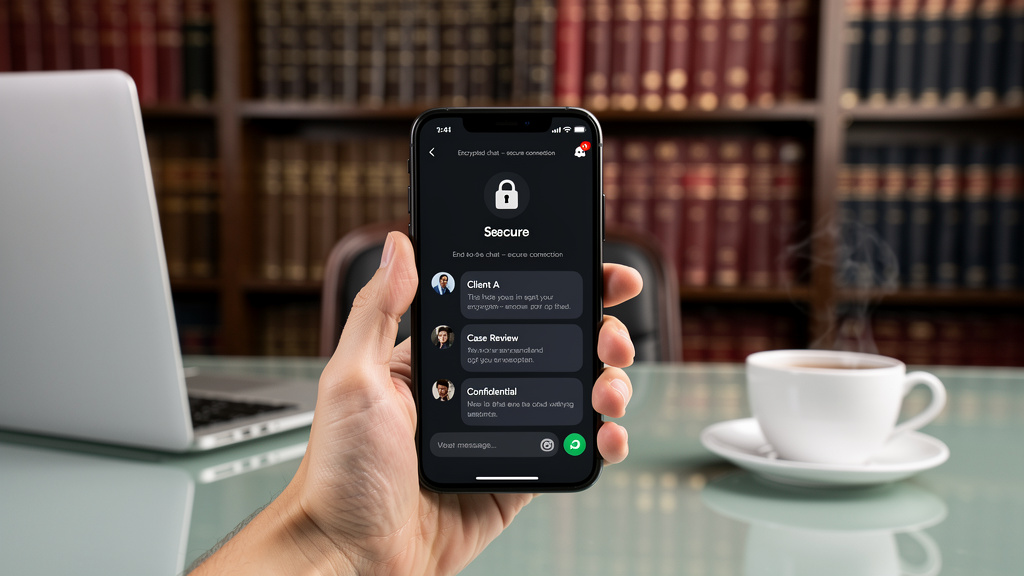
Most disputes now unfold largely through electronic channels. Emails, messaging apps, shared drives and video meetings are common in settlement discussions. The WP rule adapts to these tools, but digital habits create new risks: mis‑sending, forwarding, hacking, and accidental disclosure.
A modern strategy needs both legal care and basic technical awareness.
Email, Text Messages, and Instant Messaging
- Make WP status obvious in the subject and at the top of the message.
- Use separate folders or labels for WP emails to keep them distinct from open correspondence.
Texts and instant messaging
- Platforms such as Litigated’s TFC, WhatsApp, Signal and similar apps feel informal and fast. That speed increases the risk of mistakes.
- If you use them for settlement talks, begin by stating the discussion is “Without Prejudice”.
- Use them sparingly for substance. For detailed or high‑value offers, always back them up in a formal WP email or letter.
Remember:
- “Disappearing messages” do not change the legal position.
- Deleting a message from your device does not mean it is lost forever – it may still exist in backups or on other devices.
Video Calls and Virtual Meetings
Video platforms such as Zoom or Microsoft Teams are now normal venues for settlement meetings and mediations. To bring them within the WP rule:
- State at the start that the meeting is “Without Prejudice” and for settlement purposes.
- Consider turning off recordings. If you do record, obtain consent and agree that the recording itself is privileged.
After the call, send a short WP email summarising:
- The key issues discussed
- Any offers or counter‑offers
- Any agreed next steps
Case Law Spotlight: Landmark Judgments Shaping "Without Prejudice" in 2025
The WP rule has been shaped over many years through case law. A few decisions still guide how courts apply the principles.
Rush & Tompkins Ltd v Greater London Council [1989] – The Foundation
In Rush & Tompkins, the House of Lords:
- Confirmed that WP privilege covers the whole negotiation, not just admissions.
- Emphasised that the privilege is joint – one party cannot waive it alone.
- Stressed the public policy of encouraging settlement.
This case remains the core authority on why WP exists and how far it reaches.
Cutts v Head [1984] – The "Save as to Costs" Development
Cutts v Head helped shape the modern practice of offers that are “Without Prejudice Save as to Costs”. The Court of Appeal accepted that parties can agree certain offers are hidden during trial but visible at the costs stage.
This paved the way for Calderbank offers and current WPSATC tactics.
Unilever plc v The Procter & Gamble Co [2000] – The Exceptions Defined
In Unilever, the Court of Appeal:
- Reviewed the main exceptions to the WP rule, and
- Stressed that the unambiguous impropriety exception must be applied sparingly.
The case is frequently cited when arguing about whether WP protection should give way in a new situation.
Oceanbulk Shipping & Trading SA v TMT Asia Ltd [2010] – Recent Evolution
In Oceanbulk, the Supreme Court held that:
- In limited cases, facts expressly agreed during WP talks can be considered later when interpreting a final settlement agreement.
This does not open a wide door to using WP statements in court. It is a narrow rule about understanding what an already‑concluded contract means.
Conclusion
The phrase “Without Prejudice” is short, but its effect on your dispute can be huge. Used correctly, it gives you space to speak honestly, test proposals, and reach settlement without handing the other side ready‑made ammunition for trial. Used carelessly, it may offer no protection at all and can tempt you into saying things that a judge will later see.
The rule rests on two pillars:
- There must be a real dispute.
- The communication must be a genuine attempt to settle.
Labels help, but courts always look at content, context and purpose. The privilege is strong but not absolute: a small group of well‑defined exceptions exists for fraud, abuse, and proving settlements.
Across employment, commercial and civil disputes, similar themes recur:
- Keep open and WP channels clearly separate.
- Avoid threats and unfair pressure.
- Set out offers in clear, concrete terms.
- Guard against waiver, especially accidental references in open documents.
- Combine careful legal practice with secure technology such as Litigated’s TFC.
If you remember one practical habit, make it this. Before sending any message that discusses settlement terms, pause and ask yourself:
- Is there now a real dispute?
- Am I genuinely moving towards compromise?
- Have I chosen the right heading and channel for what I am about to say?
If you can answer “yes” to all three, you are far closer to using “Without Prejudice” safely and effectively.
FAQs
What Does "Without Prejudice" Mean In Simple Terms?
It means a communication (letter, email, meeting, call) is made for settlement purposes only. If the legal tests are met, it cannot be shown to the judge as evidence of admissions or offers. The aim is to give both sides a safe space to negotiate.
Does Writing "Without Prejudice" Automatically Protect My Email?
No. The label helps, but it does not work on its own. There must be:
- An existing dispute, and
- A genuine attempt to settle that dispute.
If you send a threatening or purely factual email and just add the words “Without Prejudice”, a court is likely to treat it as open.
Can I Tell The Judge About A Low Offer The Other Side Made?
Normally, no. WP offers stay hidden from the judge who decides liability and compensation. One main exception is where the offer was made “Without Prejudice Save as to Costs”. In that case, the judge may see it after judgment, when deciding who should pay legal costs.
Are Grievance And Disciplinary Meetings Automatically Without Prejudice?
No. Standard workplace grievance and disciplinary processes are usually open. Notes and letters from them can be used in a tribunal. If you want to hold WP settlement talks, you must make that clear and keep those discussions separate from the formal HR process.
Is An "Off The Record" Chat The Same As A Without Prejudice Discussion?
No. “Off the record” is just an informal phrase and has no fixed legal effect. A conversation only gains WP protection if there is an existing dispute and both sides are genuinely trying to settle it. To stay safe, use clear words such as “this is a Without Prejudice discussion” at the start.